


The Best Wakeboard Package for Beginners
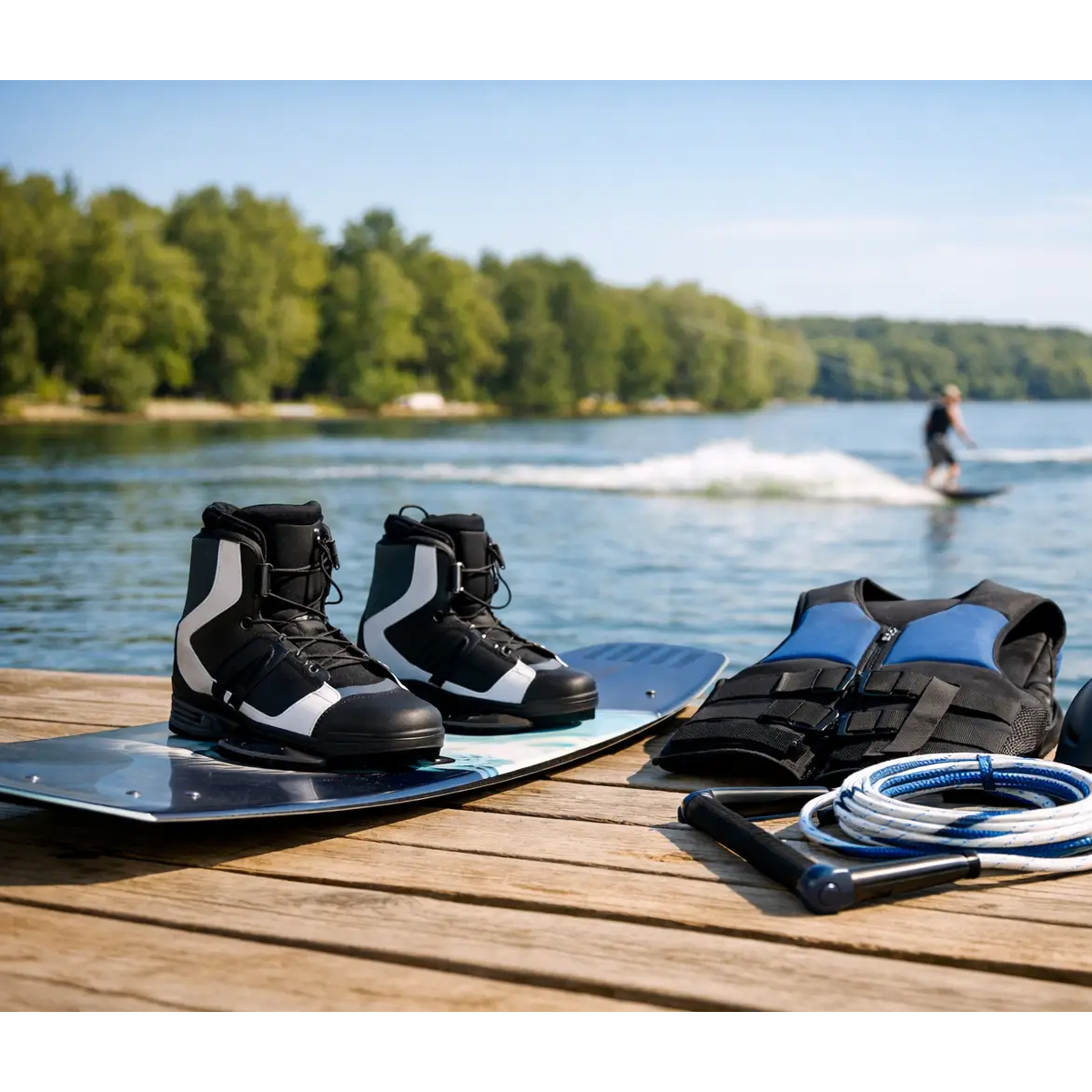
That first wakeboard set matters more than most people think. Start with the wrong board and learning feels harder than it should. Start with the best wakeboard package for beginners, and those first deep-water starts, edge changes, and wake crossings come a whole lot faster.
A beginner package should make things easier, not just cheaper. That means a forgiving board shape, bindings that fit comfortably without hot spots, and a setup that gives new riders enough stability to build confidence. If you're shopping for yourself, a teenager, or a family member who wants to get up and ride this summer, the best buy is usually the one that balances comfort, control, and value - not the most aggressive board on the rack.
What makes the best wakeboard package for beginners?
The short answer is predictability. Beginner riders do better on gear that tracks cleanly, releases without feeling sticky, and forgives mistakes. A package is usually the smartest way to buy because the board and bindings are paired to work together, and it often saves money compared with building a setup piece by piece.
Most first-time riders should look for a board with a continuous or mellow hybrid rocker, a wider outline, and molded-in fins or removable center fins that add control. These design features help the board carry speed across the water without feeling too abrupt off the wake. Fast and loose can sound exciting, but for a true beginner, a little extra grip and stability is a good thing.
Bindings matter just as much. A softer, more forgiving boot is usually better than a stiff performance model. You want easy entry, secure heel hold, and enough adjustability to fit a range of foot sizes if multiple people will share the setup. That is why open-toe bindings are common in beginner-friendly packages. They are practical, comfortable, and family friendly.
Board size matters more than small design details
If there is one place beginners get tripped up, it is sizing. The right size board helps with balance, edge control, and smoother takeoffs from the water. Too small, and the board can feel twitchy and sink more than it should. Too large, and it may feel slower edge to edge for a lighter rider.
Most brands size by rider weight first, then height second. If you are between sizes, beginners usually benefit from sizing slightly up rather than down. A little extra surface area makes starts easier and creates a more stable ride. That is especially helpful behind a family boat where speed and wake size can vary.
For a package that will be shared, lean toward the rider in the middle of the expected weight range and choose adjustable bindings. That approach is often the sweet spot for households that want one setup for weekend use rather than a highly specialized board for one rider only.
The best wakeboard package for beginners is usually not the cheapest one
There is a difference between value and bare-minimum gear. The least expensive package can still be a smart buy if it comes from a trusted brand and uses proven shapes, but beginners should be careful about chasing price alone. A package that is a little better built often gives you softer landings, better durability, and a fit that keeps riders comfortable for longer sets.
This is where established brands tend to earn their keep. Entry-level packages from major wake companies are designed specifically to help riders progress from first start to first wake jump. They are not built to impress with flashy specs. They are built to work for real-world lake days, mixed ability levels, and repeated use over a season.
Features worth paying for
Not every upgrade matters on a first setup, but a few are worth watching for.
A forgiving rocker line is one of them. Continuous rocker boards are popular for beginners because they feel smooth and consistent. They build speed easily and offer a more mellow wake pop. Three-stage rocker boards can kick harder off the wake, but they may feel more abrupt for new riders still learning timing and edge control.
A stable base shape also helps. Channels and molded fins can improve tracking, which gives new riders a better sense of control. You do not need an ultra-technical base with aggressive features. In fact, simpler often rides better at the entry level.
On the binding side, comfort should win every time. Look for cushioned footbeds, easy-to-adjust laces or overlays, and a supportive but not overly stiff shell. If someone dreads putting the bindings on, the setup is already losing points.
Who should buy a package instead of separate gear?
For most beginners, a package is the right move. It simplifies the buying process, keeps fit and compatibility straightforward, and usually gives you better overall value. That is especially true for families buying their first board or casual riders who want dependable gear without overthinking every spec.
Buying separate components makes more sense when a rider already knows what they want to change. Maybe they love a particular board shape but want a more supportive boot. Maybe they are progressing quickly and already riding enough to justify a more custom setup. For a first purchase, though, complete packages remove a lot of guesswork.
This is also where expert help matters. A good shop can quickly narrow the field based on rider weight, age, boat type, and whether the board will be shared. That kind of guidance saves time and often prevents the classic mistake of buying advanced gear too early.
Best beginner package by rider type
Not every beginner is the same, so the best fit depends on how the setup will be used.
For adult first-timers, a stable board with open-toe bindings is usually the safest bet. It gives you comfort, easy starts, and enough support to keep building skills without feeling locked into an advanced setup.
For teens, a lighter package with forgiving flex and easy entry bindings tends to work well. Younger riders often progress fast, so a board that feels stable but not sluggish gives them room to improve.
For families, shared fit is the priority. Look for a package with a wide binding size range and a board sized for the most frequent rider while still staying usable for others. That is the setup that gets used all summer instead of sitting in storage.
For larger riders, do not compromise on board size. More surface area makes a real difference in getting up cleanly and staying comfortable on the water. A correctly sized beginner board will feel much better than a smaller board marketed as more advanced.
Common mistakes when buying your first wakeboard package
The biggest one is buying for where you want to be instead of where you are now. Everyone likes the idea of a faster, more aggressive board, but progression comes quicker on gear that lets you learn fundamentals without punishment.
Another mistake is ignoring binding fit. A board can be perfect on paper, but if the bindings pinch, feel sloppy, or are a struggle to get on, the whole package suffers. Comfort is performance at the beginner level.
It is also easy to overlook who will actually use the board. If this is a one-rider setup, you can be more precise. If it is for multiple people on the boat, versatility matters more than chasing the ideal spec for one person.
And finally, do not forget the full picture. A beginner-friendly wakeboard package works best with the right rope, handle, and properly fitted life jacket. Good gear across the board makes learning smoother and safer.
How to know you are buying the right one
A strong beginner package should check a few simple boxes. It should match the rider's weight, offer forgiving performance, and include bindings that feel secure without being too stiff. It should come from a trusted brand with a track record in tow sports, and it should fit your actual use case, whether that means solo sets, family weekends, or something in between.
If you are comparing a few options and they all seem close, choose the one that makes learning easier. That usually means a stable shape, a comfortable binding, and a package that delivers solid value instead of flashy promises. At Ride The Wave, that is the kind of setup we like to put in beginners' hands because it leads to more successful starts, more confidence, and a lot more fun behind the boat.
The best first board is the one that gets used again next weekend, not the one that sounded impressive in a product description.
That first wakeboard set matters more than most people think. Start with the wrong board and learning feels harder than it should. Start with the best wakeboard package for beginners, and those first deep-water starts, edge changes, and wake crossings come a whole lot faster.
A beginner package should make things easier, not just cheaper. That means a forgiving board shape, bindings that fit comfortably without hot spots, and a setup that gives new riders enough stability to build confidence. If you're shopping for yourself, a teenager, or a family member who wants to get up and ride this summer, the best buy is usually the one that balances comfort, control, and value - not the most aggressive board on the rack.
What makes the best wakeboard package for beginners?
The short answer is predictability. Beginner riders do better on gear that tracks cleanly, releases without feeling sticky, and forgives mistakes. A package is usually the smartest way to buy because the board and bindings are paired to work together, and it often saves money compared with building a setup piece by piece.
Most first-time riders should look for a board with a continuous or mellow hybrid rocker, a wider outline, and molded-in fins or removable center fins that add control. These design features help the board carry speed across the water without feeling too abrupt off the wake. Fast and loose can sound exciting, but for a true beginner, a little extra grip and stability is a good thing.
Bindings matter just as much. A softer, more forgiving boot is usually better than a stiff performance model. You want easy entry, secure heel hold, and enough adjustability to fit a range of foot sizes if multiple people will share the setup. That is why open-toe bindings are common in beginner-friendly packages. They are practical, comfortable, and family friendly.
Board size matters more than small design details
If there is one place beginners get tripped up, it is sizing. The right size board helps with balance, edge control, and smoother takeoffs from the water. Too small, and the board can feel twitchy and sink more than it should. Too large, and it may feel slower edge to edge for a lighter rider.
Most brands size by rider weight first, then height second. If you are between sizes, beginners usually benefit from sizing slightly up rather than down. A little extra surface area makes starts easier and creates a more stable ride. That is especially helpful behind a family boat where speed and wake size can vary.
For a package that will be shared, lean toward the rider in the middle of the expected weight range and choose adjustable bindings. That approach is often the sweet spot for households that want one setup for weekend use rather than a highly specialized board for one rider only.
The best wakeboard package for beginners is usually not the cheapest one
There is a difference between value and bare-minimum gear. The least expensive package can still be a smart buy if it comes from a trusted brand and uses proven shapes, but beginners should be careful about chasing price alone. A package that is a little better built often gives you softer landings, better durability, and a fit that keeps riders comfortable for longer sets.
This is where established brands tend to earn their keep. Entry-level packages from major wake companies are designed specifically to help riders progress from first start to first wake jump. They are not built to impress with flashy specs. They are built to work for real-world lake days, mixed ability levels, and repeated use over a season.
Features worth paying for
Not every upgrade matters on a first setup, but a few are worth watching for.
A forgiving rocker line is one of them. Continuous rocker boards are popular for beginners because they feel smooth and consistent. They build speed easily and offer a more mellow wake pop. Three-stage rocker boards can kick harder off the wake, but they may feel more abrupt for new riders still learning timing and edge control.
A stable base shape also helps. Channels and molded fins can improve tracking, which gives new riders a better sense of control. You do not need an ultra-technical base with aggressive features. In fact, simpler often rides better at the entry level.
On the binding side, comfort should win every time. Look for cushioned footbeds, easy-to-adjust laces or overlays, and a supportive but not overly stiff shell. If someone dreads putting the bindings on, the setup is already losing points.
Who should buy a package instead of separate gear?
For most beginners, a package is the right move. It simplifies the buying process, keeps fit and compatibility straightforward, and usually gives you better overall value. That is especially true for families buying their first board or casual riders who want dependable gear without overthinking every spec.
Buying separate components makes more sense when a rider already knows what they want to change. Maybe they love a particular board shape but want a more supportive boot. Maybe they are progressing quickly and already riding enough to justify a more custom setup. For a first purchase, though, complete packages remove a lot of guesswork.
This is also where expert help matters. A good shop can quickly narrow the field based on rider weight, age, boat type, and whether the board will be shared. That kind of guidance saves time and often prevents the classic mistake of buying advanced gear too early.
Best beginner package by rider type
Not every beginner is the same, so the best fit depends on how the setup will be used.
For adult first-timers, a stable board with open-toe bindings is usually the safest bet. It gives you comfort, easy starts, and enough support to keep building skills without feeling locked into an advanced setup.
For teens, a lighter package with forgiving flex and easy entry bindings tends to work well. Younger riders often progress fast, so a board that feels stable but not sluggish gives them room to improve.
For families, shared fit is the priority. Look for a package with a wide binding size range and a board sized for the most frequent rider while still staying usable for others. That is the setup that gets used all summer instead of sitting in storage.
For larger riders, do not compromise on board size. More surface area makes a real difference in getting up cleanly and staying comfortable on the water. A correctly sized beginner board will feel much better than a smaller board marketed as more advanced.
Common mistakes when buying your first wakeboard package
The biggest one is buying for where you want to be instead of where you are now. Everyone likes the idea of a faster, more aggressive board, but progression comes quicker on gear that lets you learn fundamentals without punishment.
Another mistake is ignoring binding fit. A board can be perfect on paper, but if the bindings pinch, feel sloppy, or are a struggle to get on, the whole package suffers. Comfort is performance at the beginner level.
It is also easy to overlook who will actually use the board. If this is a one-rider setup, you can be more precise. If it is for multiple people on the boat, versatility matters more than chasing the ideal spec for one person.
And finally, do not forget the full picture. A beginner-friendly wakeboard package works best with the right rope, handle, and properly fitted life jacket. Good gear across the board makes learning smoother and safer.
How to know you are buying the right one
A strong beginner package should check a few simple boxes. It should match the rider's weight, offer forgiving performance, and include bindings that feel secure without being too stiff. It should come from a trusted brand with a track record in tow sports, and it should fit your actual use case, whether that means solo sets, family weekends, or something in between.
If you are comparing a few options and they all seem close, choose the one that makes learning easier. That usually means a stable shape, a comfortable binding, and a package that delivers solid value instead of flashy promises. At Ride The Wave, that is the kind of setup we like to put in beginners' hands because it leads to more successful starts, more confidence, and a lot more fun behind the boat.
The best first board is the one that gets used again next weekend, not the one that sounded impressive in a product description.
That first wakeboard set matters more than most people think. Start with the wrong board and learning feels harder than it should. Start with the best wakeboard package for beginners, and those first deep-water starts, edge changes, and wake crossings come a whole lot faster.
A beginner package should make things easier, not just cheaper. That means a forgiving board shape, bindings that fit comfortably without hot spots, and a setup that gives new riders enough stability to build confidence. If you're shopping for yourself, a teenager, or a family member who wants to get up and ride this summer, the best buy is usually the one that balances comfort, control, and value - not the most aggressive board on the rack.
What makes the best wakeboard package for beginners?
The short answer is predictability. Beginner riders do better on gear that tracks cleanly, releases without feeling sticky, and forgives mistakes. A package is usually the smartest way to buy because the board and bindings are paired to work together, and it often saves money compared with building a setup piece by piece.
Most first-time riders should look for a board with a continuous or mellow hybrid rocker, a wider outline, and molded-in fins or removable center fins that add control. These design features help the board carry speed across the water without feeling too abrupt off the wake. Fast and loose can sound exciting, but for a true beginner, a little extra grip and stability is a good thing.
Bindings matter just as much. A softer, more forgiving boot is usually better than a stiff performance model. You want easy entry, secure heel hold, and enough adjustability to fit a range of foot sizes if multiple people will share the setup. That is why open-toe bindings are common in beginner-friendly packages. They are practical, comfortable, and family friendly.
Board size matters more than small design details
If there is one place beginners get tripped up, it is sizing. The right size board helps with balance, edge control, and smoother takeoffs from the water. Too small, and the board can feel twitchy and sink more than it should. Too large, and it may feel slower edge to edge for a lighter rider.
Most brands size by rider weight first, then height second. If you are between sizes, beginners usually benefit from sizing slightly up rather than down. A little extra surface area makes starts easier and creates a more stable ride. That is especially helpful behind a family boat where speed and wake size can vary.
For a package that will be shared, lean toward the rider in the middle of the expected weight range and choose adjustable bindings. That approach is often the sweet spot for households that want one setup for weekend use rather than a highly specialized board for one rider only.
The best wakeboard package for beginners is usually not the cheapest one
There is a difference between value and bare-minimum gear. The least expensive package can still be a smart buy if it comes from a trusted brand and uses proven shapes, but beginners should be careful about chasing price alone. A package that is a little better built often gives you softer landings, better durability, and a fit that keeps riders comfortable for longer sets.
This is where established brands tend to earn their keep. Entry-level packages from major wake companies are designed specifically to help riders progress from first start to first wake jump. They are not built to impress with flashy specs. They are built to work for real-world lake days, mixed ability levels, and repeated use over a season.
Features worth paying for
Not every upgrade matters on a first setup, but a few are worth watching for.
A forgiving rocker line is one of them. Continuous rocker boards are popular for beginners because they feel smooth and consistent. They build speed easily and offer a more mellow wake pop. Three-stage rocker boards can kick harder off the wake, but they may feel more abrupt for new riders still learning timing and edge control.
A stable base shape also helps. Channels and molded fins can improve tracking, which gives new riders a better sense of control. You do not need an ultra-technical base with aggressive features. In fact, simpler often rides better at the entry level.
On the binding side, comfort should win every time. Look for cushioned footbeds, easy-to-adjust laces or overlays, and a supportive but not overly stiff shell. If someone dreads putting the bindings on, the setup is already losing points.
Who should buy a package instead of separate gear?
For most beginners, a package is the right move. It simplifies the buying process, keeps fit and compatibility straightforward, and usually gives you better overall value. That is especially true for families buying their first board or casual riders who want dependable gear without overthinking every spec.
Buying separate components makes more sense when a rider already knows what they want to change. Maybe they love a particular board shape but want a more supportive boot. Maybe they are progressing quickly and already riding enough to justify a more custom setup. For a first purchase, though, complete packages remove a lot of guesswork.
This is also where expert help matters. A good shop can quickly narrow the field based on rider weight, age, boat type, and whether the board will be shared. That kind of guidance saves time and often prevents the classic mistake of buying advanced gear too early.
Best beginner package by rider type
Not every beginner is the same, so the best fit depends on how the setup will be used.
For adult first-timers, a stable board with open-toe bindings is usually the safest bet. It gives you comfort, easy starts, and enough support to keep building skills without feeling locked into an advanced setup.
For teens, a lighter package with forgiving flex and easy entry bindings tends to work well. Younger riders often progress fast, so a board that feels stable but not sluggish gives them room to improve.
For families, shared fit is the priority. Look for a package with a wide binding size range and a board sized for the most frequent rider while still staying usable for others. That is the setup that gets used all summer instead of sitting in storage.
For larger riders, do not compromise on board size. More surface area makes a real difference in getting up cleanly and staying comfortable on the water. A correctly sized beginner board will feel much better than a smaller board marketed as more advanced.
Common mistakes when buying your first wakeboard package
The biggest one is buying for where you want to be instead of where you are now. Everyone likes the idea of a faster, more aggressive board, but progression comes quicker on gear that lets you learn fundamentals without punishment.
Another mistake is ignoring binding fit. A board can be perfect on paper, but if the bindings pinch, feel sloppy, or are a struggle to get on, the whole package suffers. Comfort is performance at the beginner level.
It is also easy to overlook who will actually use the board. If this is a one-rider setup, you can be more precise. If it is for multiple people on the boat, versatility matters more than chasing the ideal spec for one person.
And finally, do not forget the full picture. A beginner-friendly wakeboard package works best with the right rope, handle, and properly fitted life jacket. Good gear across the board makes learning smoother and safer.
How to know you are buying the right one
A strong beginner package should check a few simple boxes. It should match the rider's weight, offer forgiving performance, and include bindings that feel secure without being too stiff. It should come from a trusted brand with a track record in tow sports, and it should fit your actual use case, whether that means solo sets, family weekends, or something in between.
If you are comparing a few options and they all seem close, choose the one that makes learning easier. That usually means a stable shape, a comfortable binding, and a package that delivers solid value instead of flashy promises. At Ride The Wave, that is the kind of setup we like to put in beginners' hands because it leads to more successful starts, more confidence, and a lot more fun behind the boat.
The best first board is the one that gets used again next weekend, not the one that sounded impressive in a product description.
Explore Popular Articles
-
How to choose the right Wakesurf Board
Jun 16th 2026Before your read this article keep in mind that there are many factors that can greatly effect your
-
The Best Wakeboard Package for Beginners
May 22nd 2026That first wakeboard set matters more than most people think. Start with the wrong board and learni
-
More than a Water Sports Store we are a Destination for Water Sports Enthusiasts
May 23rd 2025We are stocked up for the season with all of the fun that you could need for the summer. We have